No. 62 — Leave Your Comments
It’s August 3, 2023, and you’re reading the newsletter from Médianes.
Today, we're moderating
Hello, everyone,
This August, the team at is with youMédianes on the beach, in the mountains, at the office, and on the subway—because getting back to school won’t happen on its own!
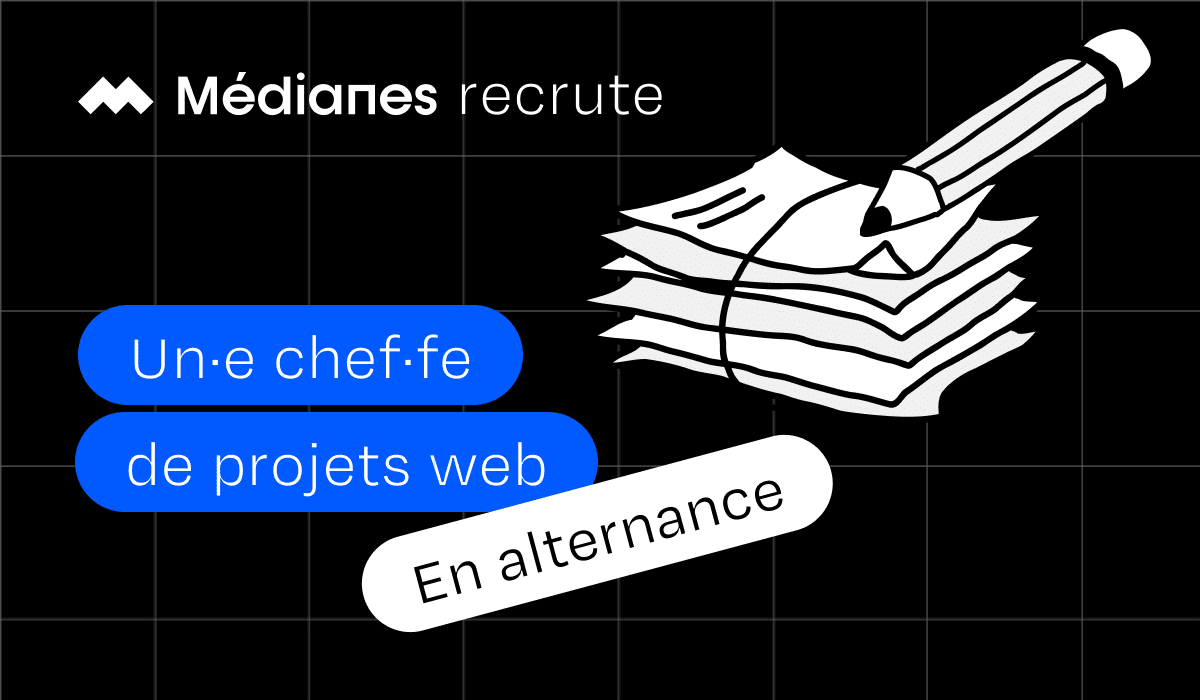
The studio team is actively looking for a work-study project manager to start at the beginning of the school year. Do you know anyone passionate about media who might be interested? Feel free to let them know.
Back to this issue. Today, we’re sharing three tips for managing your comments section. And in our roundup: ideas for drafting a policy on the role of AI in your newsroom—and, of course, job listings.
Enjoy the read,
— Marine Slavitch, Owen Huchon, and Baptiste Thevelein
Why not?
Ideas for Your Media
Do you also like to read online reviews before deciding to buy a product? Your audience may do the same with your comments section before reading an article or watching a video. That’s why it’s important to make it a lively, accessible, and welcoming space.
Define the rules
A participation charter sets the tone and draws the line between what is acceptable and what is not. It serves as an essential foundation for moderation and a way to remind your audience of your media outlet’s values. Gender-based oppression, Holocaust denial, ableism… Rather than using a catch-all term like “offensive remarks,” Mediapart takes the time to detail, point by point, what certain terms mean that could warrant sanctions.
Thinking About the Marketing Aspect
While asking your readers to create an account on your site to post comments may reduce anonymity and yield more constructive feedback, it’s also an excellent way to attract new readers. For L’Obs, the value of building reader loyalty through print is well established. The situation is quite different for digital. That’s why it’s important to maintain a comments section to increase visit frequency and engagement on the site.
Automate certain tasks
Using artificial intelligence can also help you boost reader engagement in the comments section. The American television network Graham, for example, uses it to generate relevant questions related to the article’s content. These questions encourage the audience to share their opinions and knowledge in the comments section, making it more dynamic and interactive.
From the studio's perspective
We're hiring!
As part of its growthMédianes, the studio is hiring a junior project manager for a work-study program under a one-year apprenticeship contract. Reporting directly to the co-founders of Médianes, you’ll work on a daily basis on all projects for andMédianes its clients. To apply, click here!
On Our Radar
Our market monitoring to support your projects
PATHWAYS / JEAN-CHRISTOPHE BOULANGER, CONTEXT
SUSTAINABLE GROWTH
For the past 10 years, the independent online media outlet Contexte has been developing a subscription-based editorial and business model. How does a company grow from 0 to 80 employees? From one to eight thematic editions? How does a company grow in a healthy and sustainable way while becoming an expert in its field? Jean-Christophe Boulanger, CEO of Contexte, answers our questions.
PATHS / EMMANUELLE JOSSE, THE SURGE
BECOME A PUBLISHING HOUSE
The quarterly magazine *La Déferlante* is launching its own publishing house with the goal of continuing the narrative of feminist revolutions. What’s on the agenda? The publication of 2 to 5 titles per year, including essays, narratives, and photo books. How do you manage the launch of a publishing house alongside your magazine? What are the key steps? Emmanuelle Josse, co-founder of La Déferlante, provides the answers.
On medianes.org
It's homemade
HANNES COOLS AND NICHOLAS DIAKOPOULOS / NIEMAN LAB / TRANSLATION BY OWEN HUCHON
GUIDELINES FOR DRAFTING AN AI CHARTER
What is acceptable and what is prohibited when it comes to the use of AI in news production? Here’s how 21 news organizations in the United States, Europe, and elsewhere have defined their own policies.
In Brief
That way, you'll know
→ Kometa, Celsa, Ouest-France: These media outlets and schools are hiring. Check out their job openings.
→ *Le Courrier d’Europe centrale* is launching *Correspondant·e·s*, a monthly newsletter in which a journalist shares an anecdote or a memorable event from their adopted country.
→ GIJN has unveiled the program for its upcoming conference on investigative journalism, which will be held on September 19, 20, 21, and 22 in Sweden.
→ Every week, Les Jours features an article chosen by the community in its new newsletter, called Découvertes.
→ Are you thinking about studying journalism? There are only a few weeks left to apply for the free preparatory course designed by ESJ Lille and the Bondy Blog.
See you on August 17!
We’d like to take this opportunity to welcome the teams at Alternatives Économiques and Actu.fr, the students at ESJ Lille, and everyone who has recently subscribed to this newsletter.
Thank you for your messages and ideas, which helped shape this edition of the newsletter. Please feel free to share your feedback and suggest topics you’d like to see covered in future issues by filling out this short questionnaire.
See you on August 17 for the next edition. Until then, take care of yourselves and your social media.
— THIS NEWSLETTER WAS PREPARED BY MARINE SLAVITCH, OWEN HUCHON, AND BAPTISTE THEVELEIN, TOGETHER WITH THE MÉDIANES TEAM.
MEDIANES.ORG — MEDIANES.STUDIO
Médianes is on Instagram, Twitter, and LinkedIn.