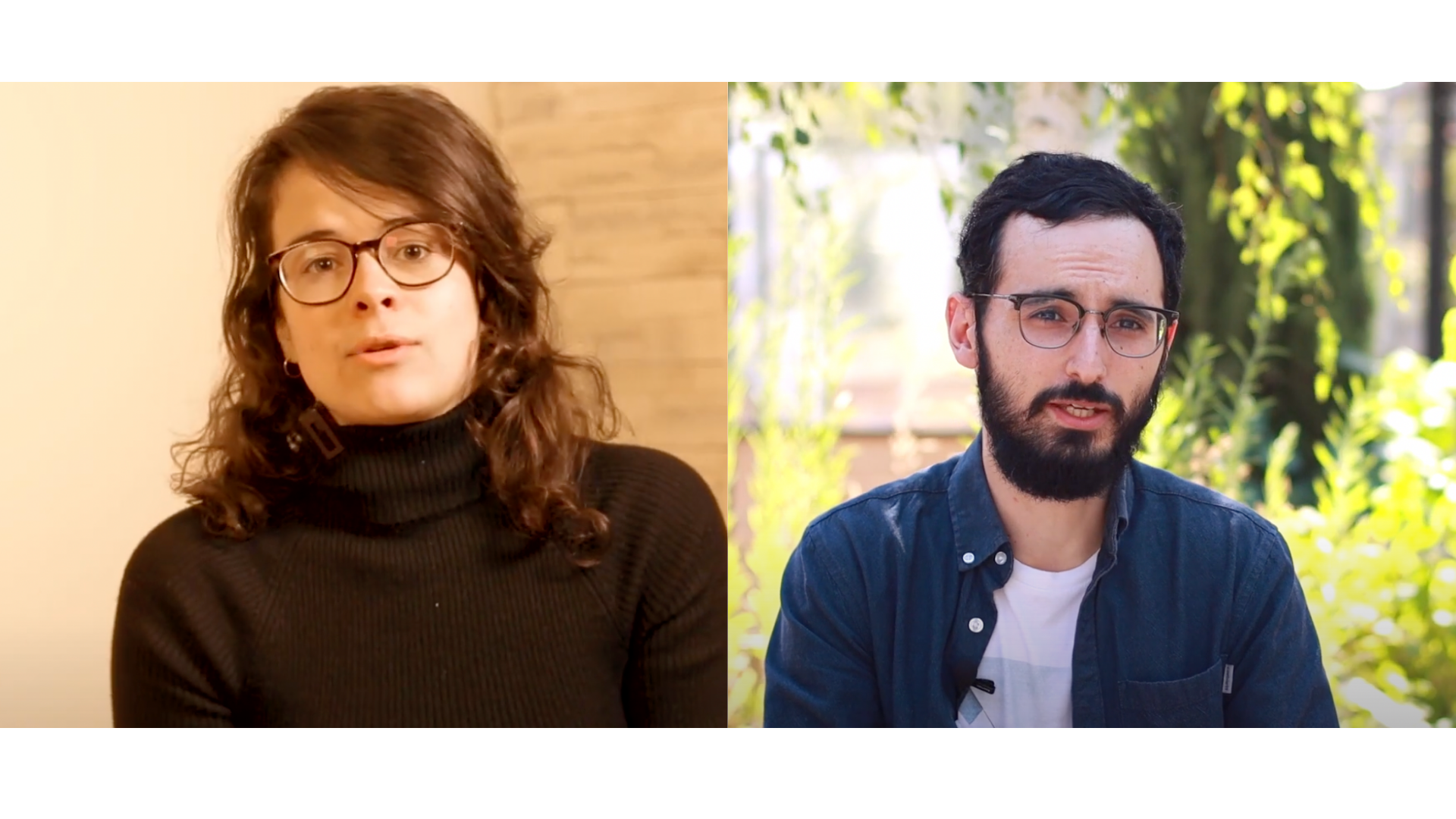
More and more media outlets—whether independent or not, whether new or established—are turning to crowdfunding. This is the observation made by Lucile Tauvel, head of media and publishing projects at Ulule, and Jamil Mis, head of development at KissKissBankBank. Lucile and Jamil analyze trends and practices in media crowdfunding campaigns for Médianes.
Whether it’s to launch a media outlet, a new issue, or to diversify, what’s the benefit for a project leader of using crowdfunding?
Lucile Tauvel: Launching a crowdfunding campaign serves not only to raise funds, but also to communicate and test your format, as well as to plan for the future. It’s an attractive funding option for maintaining independence and for self-financing, which offers more favorable profit margins. It’s also an opportunity to bypass the distribution chain and reach readers directly, making them active and engaged. Crowdfunding is used for a variety of purposes. In very concrete terms, on our platform, 70% of funding goes toward launching a project, 25% toward selling a product such as a magazine, and 5% toward a rescue campaign. To cite a few different uses of a funding campaign, Epsiloon used it to launch its magazine, Binge Audio to diversify into book and game publishing, and the podcast *Did Venus Shave Her Pussy with the Rude Calendar* to fund its second season.
Jamil Mis: Running a crowdfunding campaign is a good, low-cost marketing tool and a real opportunity to build awareness. Crowdfunding facilitates and accelerates the project’s long-term viability, so it’s important to think about the long term. I’m thinking, for exemple, of the Recto Verso campaign conceived by Les Others, which far exceeded its goal—enabling them tohire new staff. I can also mention the launch of Légende magazine by Éric Fottorino, which is a testament to the success of the Zadig campaign.
Beyond reaching the financial goal, what makes a fundraising campaign successful?
Lucile Tauvel: A successful campaign starts with a viable, well-thought-out plan. For exemple, Epsiloon has far exceeded its goals because the key players driving the project are complementary: journalists and the team at its publisher, Unique Heritage. There’s a compelling story to tell, a drive for independence, and a beautiful product featuring modern graphic design. I’m also thinking of the success of Deuxième Page’s campaign for their mook *Colère*. On their end, the risk for traditional media is that their campaign won’t be as well-embodied and humanized as that of a newly launched outlet with a story to tell—one that can appeal to people’s emotions.
Jamil Mis: 80% of a campaign’s success depends on advance preparation; you don’t launch a crowdfunding campaign until you’ve mapped out every step of the campaign: communicating on different dates, across different platforms, to share different stories. Every action before, during, and after the campaign is carefully thought out. The other strategy is personalization: Blast with Denis Robert, Zadig with Éric Fottorino, QG with Aude Lancelin. A few years ago, it was mainly independent media outlets that ran crowdfunding campaigns; but today, more traditional media outlets have come to realize that this could be a valuable tool for them as well.
Is a crowdfunding campaign for a media outlet launched just like any other project? Are there any specific considerations?
Jamil Mis: We support all projects as soon as we see potential. Media support is similar to other projects; the process is the same. We follow a very specific methodology that we tailor to each media outlet, its needs, and its objectives.
Lucile Tauvel: First and foremost, the project leader must realize that it takes time to prepare and that you need to have the beginnings of an established community. Many people who want to get started expect the platform to be the main source of their success, but success actually comes from the project leader’s preparation and commitment. The platform is a tool to amplify and support the project.
Judging by the number of crowdfunding campaigns we’re seeing out there, it seems like the media industry is doing well. What’s your take on this?
Lucile Tauvel: The media and publishing sector accounted for the largest share of Ulule’s funds in 2020. We’re seeing campaigns become more professional. Crowdfunding isn’t a business model in and of itself, but it gives projects and media outlets a boost. Those already established have realized that it’s also a way to communicate differently with their readers. The campaigns we reject are projects that are too personal— for example, someone who needs to buy equipment to launch their media outlet, or projects with an extremist or conspiracy-theory-based editorial line—so we do our research beforehand when we have any doubts.
Jamil Mis: There’s a certain level of awareness among a small segment of the public—a small circle that supports independent media. When it comes to print magazines, they know they’re investing in a beautiful product. More and more established media outlets are turning to crowdfunding to shake off their image as traditional media. With the proliferation of media projects, a bubble has formed—but it won’t burst if we organize ourselves well. The presidential election is approaching, and people want to have their say. The key question is to define a framework: is a platform neutral if it upholds certain values? Can it accept all projects? We’re seeing a boom in media projects, and we mustn’t let ourselves get overwhelmed.