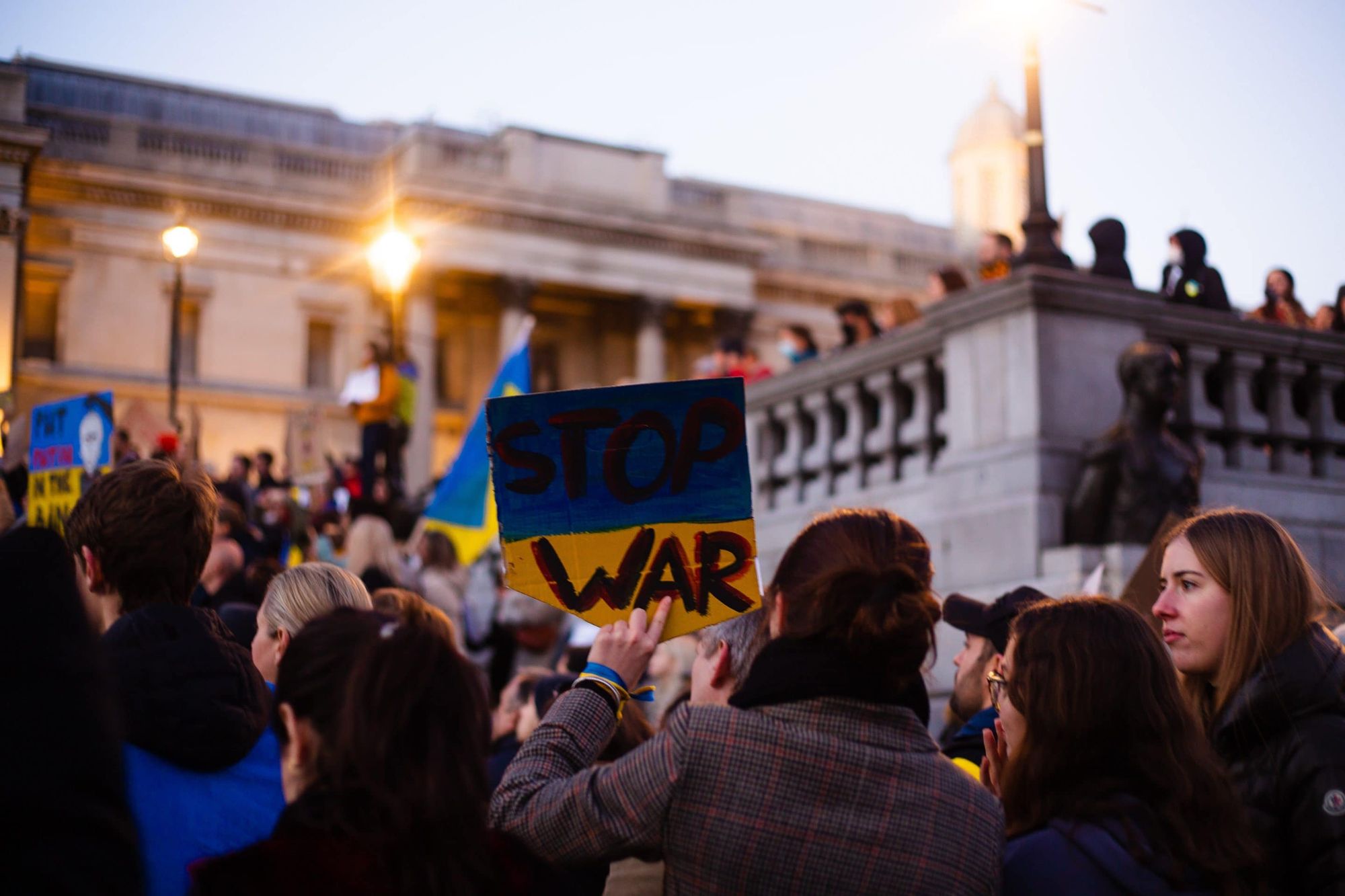
War has broken out in Europe, thereby intensifying the war on information. The media are well aware of this and are committed to this cause—from their investigative reporting right down to the words they use. Now more than ever, access to factual and verified information is a necessity. Here are three ways you can take action, regardless of the scale.
Filter the news There is a lot
of content circulating about the conflict in Ukraine, including a great deal of misinformation. To help you stay well-informed, Numerama has put together a short list of media outlets and reporters on the ground that are worth following. Journalist Thomas Eydoux is doing remarkable work for France 24 using OSINT, or open-source intelligence. This is a tool that allows, for example, the analysis of images shared on social media.
Relying on Their Audience
While journalists from the investigative media outlet Reflets were looking for cameras accessible via the Internet to cover the conflict, the team found themselves by chance inside Ukrainian police cars. Picked up by AFP, the investigation went viral and allowed the independent media outlet to appeal to its readers about the need for financial support to continue their work. In Ukraine, The Kyiv Independent is asking itself a question: to leave or to stay? Across the border in Russia, independent media outlets are struggling to provide news that isn’t dictated by the Kremlin.
Choosing One’s Words: When
Semantic Choice Is a Political Choice. *Libération* has now chosen to write “Kyiv” rather than “Kiev.” “Political considerations prevail,” the newspaper states, as the second outlet to adopt the Russian name. For their part, most English-language media outlets, such as the BBC, adopted this spelling as early as January. This semantic shift has become a form of commitment for the newspaper, as François Cardinal of the Canadian newspaper *La Presse* explains to his readers, while acknowledging that it may offend some. In Russia, while most independent newspapers and social media platforms have been blocked, The Village made an editorial decision and announced to its readers that it was rewriting all its articles referring to a war in order to avoid sanctions.