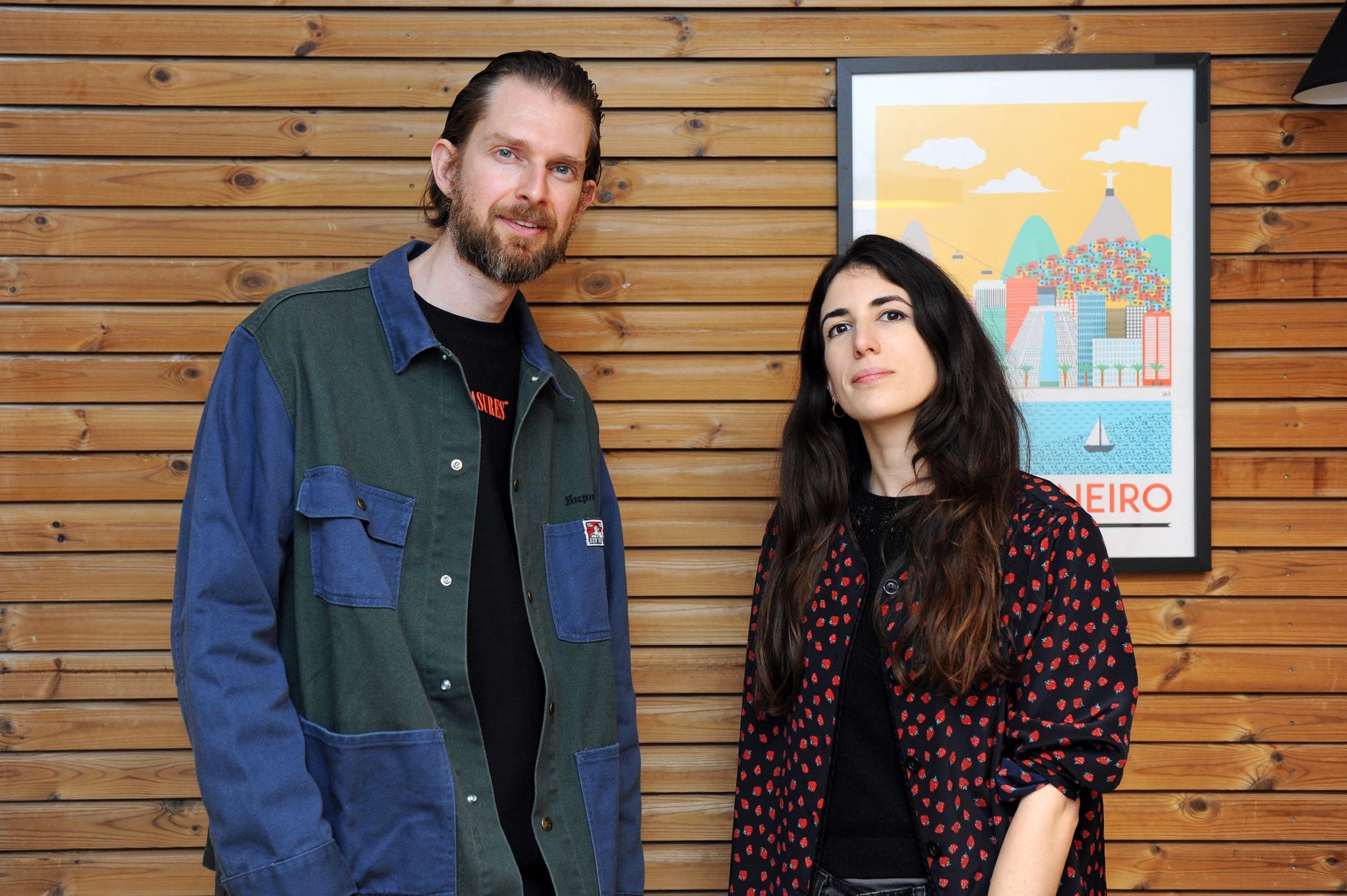
In 2017, Dan Geiselhart and Lauren Boudard launched the TechTrash newsletter, which combines tech news with humor and has 30,000 subscribers. This year, a second newsletter was launched: Climax, which covers news related to climate change. They use sarcasm to call out certain instances of political inaction. For this second project, they’re taking a different approach because the newsletter is subscription-based, targeting a more engaged audience. Climax won the “2021 Start-up Award for Best Emerging Media” at Médias en Seine and has 1,000 subscribers.
Our Series
They launched their media outlet in 2021; they share their story
Finding financial stability a few months after launching a media outlet is one of the challenges founders face. As a result, La Déferlante is seeking investors and inviting Médiapart to take a stake in the company. Another challenge: launching a new project after the success of the first one. That’s exactly what Dan Geiselhart and Lauren Boudard did with Climax—the guests on the fifth and final episode.
Climax is your second newsletter after TechTrash—how did you come up with the idea for it?
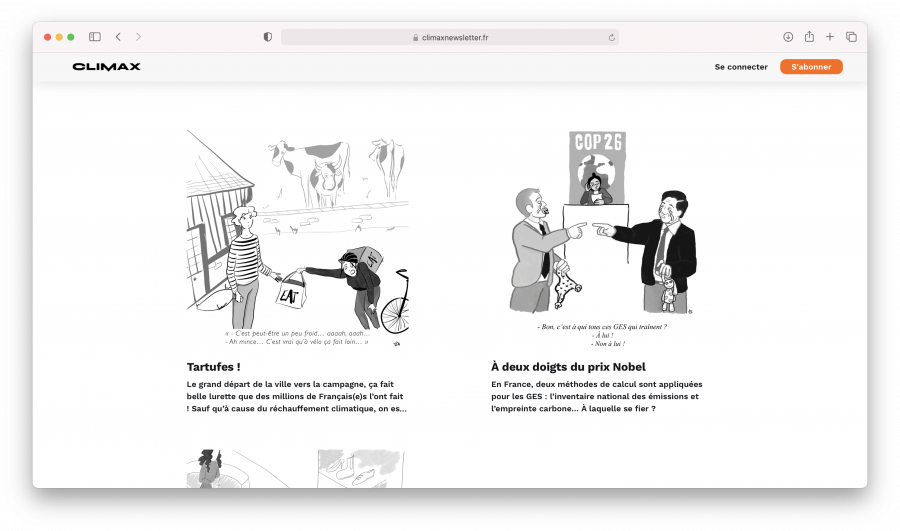
Humor is part of our tone and our style, so we definitely wanted to keep that spirit. Climax was born out of frustration—the desire to talk about serious topics like climate change, but we didn’t know where to start. So with the newsletter, we approach the subject in a lighter way while still maintaining the seriousness of a troubling issue. We want to move away from the anxiety-inducing tone often used by the media when covering this issue.

You launched a crowdfunding campaign for Climax—what was your strategy?
The TechTrash community has 30,000 subscribers, so it served as a good platform for the campaign. The goal was also to reach another audience interested in the topic of global warming. The first step was to choose the right crowdfunding platform. KissKissBankBank was a good option because we had a contact there, so we received guidance. The strategy for the funding campaign is to proceed in concentric circles—that is, we start by talking to our immediate network and then expand outward. Many print media outlets cover crowdfunding campaigns, and it often works. The challenge here is thatwe’re offering a digital product, and part of the public still views the newsletter as a marketing tool rather than a fully-fledged editorial product in its own right.
Unlike TechTrash, you decided to make Climax a paid service. Why?
Climax has far fewer subscribers than TechTrash. For TechTrash, we relied on donations. We saw the limitations of this approach in terms of the stability and sustainability of our project. By making the Climax newsletter a paid subscription at four euros per month, we’re reaching out to a highly engaged community that chooses to pay to read our content. In September, we sent a survey to the Climax audience to better understand their profile. The feedback aligns with our goals: to stay close to our readers and offer a personalized, editorially curated newsletter.
Through your Courriel studio, you advise newsletter authors—what ideas do you offer them?
A newsletter is a bit like a pirate radio station—it’s an intimate medium that brings a community together. The key is knowing how to develop a unique tone and content that captures the reader’s interest. Don’t be afraid to be offbeat, to tell improbable stories, and to venture off the beaten path. You bring this to life through your tone or even through standout sections. For example, with TechTrash, we started out just for fun, and then the business strategy took shape over time—just like Climax, which is evolving with each issue. Today we make a living from our work because, over time, we’ve acquired skills—and we still have more to learn. Taking the plunge is the hardest part.
To go further
Feedback on Techtrash — Dan Geiselhart and Lauren Boudard discuss their first newsletter in an interview with Ginkio.